
2026
Meet our judging panel
-
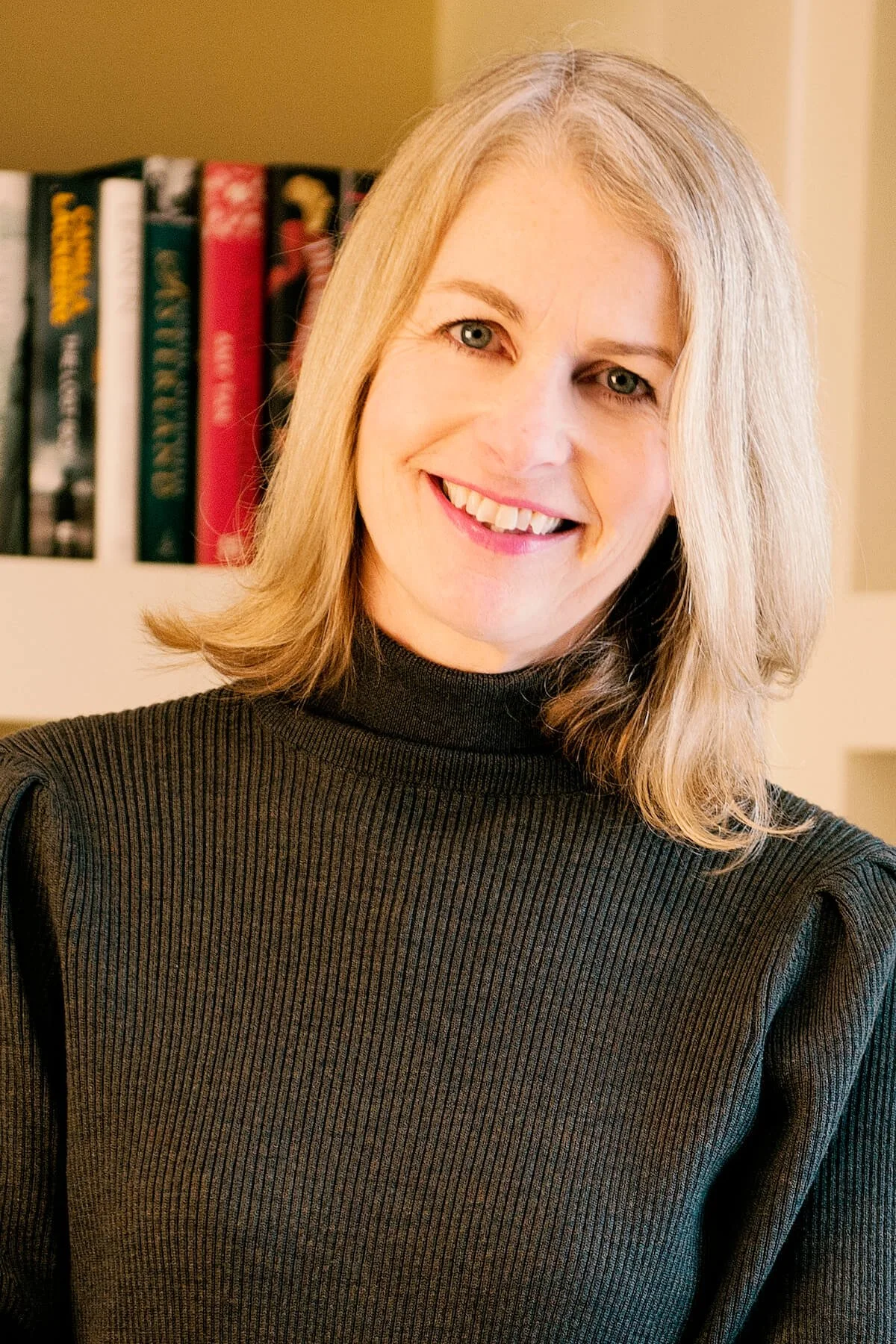
Katie Fulford
LITERARY AGENT – BELL LOMAX MORTON
Katie has been a huge supporter of our prize since its inception. She was an inaugural judge in 2022, and also judged for us in 2023. As a result, Katie signed one of our shortlisted writers Sasha Butler in 2022 who’s novel was published in 2025 and our 2023 winner Louise Jensen-Duffy, who’s novel has been published this year in Australia and will be released in the UK in August this year.
Katie is an agent at Bell Lomax Moreton having previously worked at HarperCollins for many years in a variety of senior roles. She represents authors in fiction and non-fiction across the book club and commercial spectrum and loves the Cheshire Novel Prize as it always has some wonderful books on the long list and short list. She is proud to represent two authors from the prize shortlists who have both been recently published and she’s excited to read the entries and to be on the judging panel again.
-
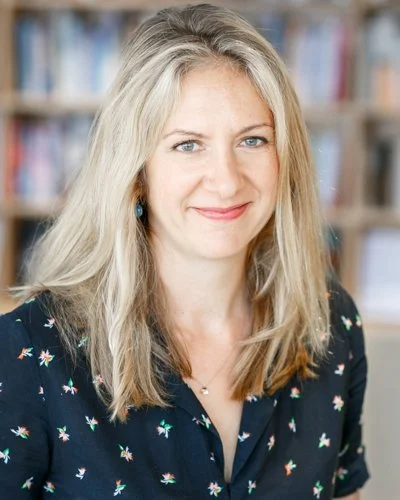
Stephanie Glencross
LITERARY AGENT – DAVID HIGHAM ASSOCIATES
Stephanie has been a huge supporter of our prize and last year signed our 2025 winner, Marianne Van Pelt for her dark academia novel.Stephanie has worked at the BBC (Radio Drama/ EastEnders) and as an editor to the literary agent Jane Gregory. Now at DHA she is actively building a list of crime/ thriller and 'dark' commercial or book club fiction. Her list includes Rebecca Philipson, whose debut is the best-selling hard back crime novel of 2026 so far, Sinead Nolan, Anna Maloney, Zoe Rankin, Anna Caig, Patricia Wolf, Allie Reynolds and acclaimed writer Paula Daly. She is particularly on the lookout for stories that are dark, juicy, and compulsive – accessible, gripping reads that still feel smart and a little unexpected. Stephanie loves high-concept psychological suspense, clever mysteries, and thrillers driven by momentum and voice.
-

Maddalena Cavaciuti
LITERARY AGENT – DAVID HIGHAM ASSOCIATES
Maddalena is building a list of commercial and genre fiction including romance, fantasy and crime/thriller for adults and young adults. Her list includes YA and adult fantasy author and Waterstones bestseller Rachel Greenlaw, Sunday Times bestsellers Gabi Burton and Linda Green, crime writers Rob Parker and Caro Ramsay and contemporary romance authors Olivia Belle and Rebecca Ryan. She is drawn to fast-paced storytelling which feels effortless to read and loves imaginative hooks which combine smart characters with big feelings.
-
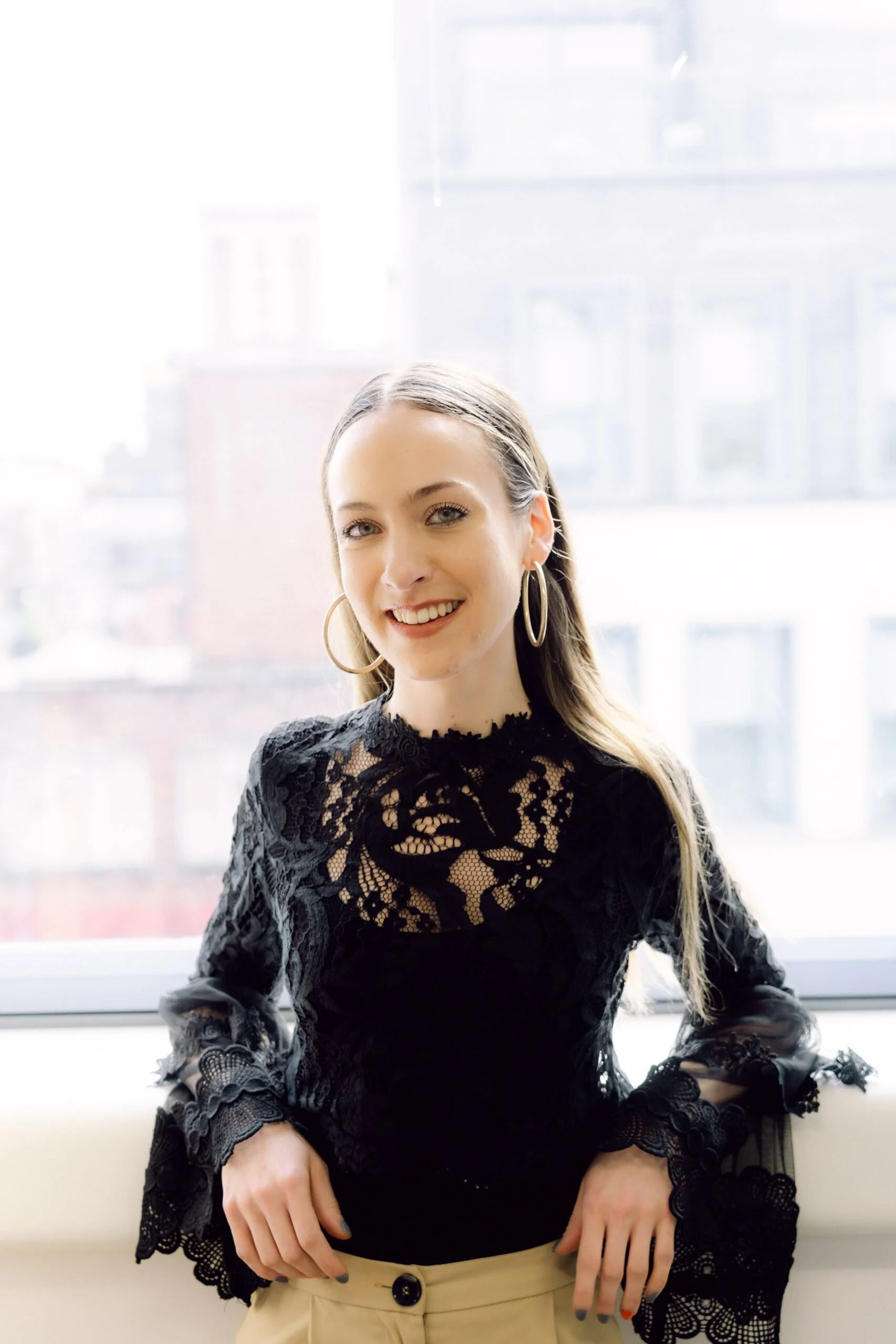
Orli Vogt-vincent
DAVID HIGHAM ASSOCIATES
Orli is building a list of writers in the non-fiction and literary fiction spaces. In terms of fiction, her favourite novels can always be enjoyed purely on the level of the story but can also be engaged with on a thoughtful and/or intellectual level if the reader wishes to. She looks for clever, pacy plotting and humour, as well as thoughtful and beautiful writing which makes her stop in her tracks and read the line over and over again. Her fiction taste has been described as quite non-fictional in some ways. She looks for fiction work that has real truth to its themes, offering ways to understand ourselves, how we build our lives, and how we behave, as well as novels set during or in the aftermath of particular points in history. She’s interested in legacy, identity, and social, political and historical themes in particular. Favourite novels of hers, and indicators of her taste, include Close To Home by Michael Magee, Open Water by Caleb Azumah Nelson, The Bee Sting by Paul Murray, and Martyr! by Kaveh Akbar. -

Emmanuel Omodeinde
DAVID HIGHAM ASSOCIATES
Emmanuel joined David Higham Associates after two years in book scouting and in editorial at a publishing house. He has spent the last two years assisting literary agents Nicola Chang and Jemima Forrester and is in the early stages of building a list of his own authors. He loves literary fiction and narrative non-fiction which has a distinct style or voice and appreciates an imaginative approach to form and structure. He loves stories grounded in the complex dynamics of human relationships (whether platonic or romantic), but also has an affinity for works with speculative, science-fiction or fantasy/magical realist elements (bonus points if it does both!). In non-fiction, he loves precise but stylish writing and has a particular interest in arts criticism and memoir. He would be remiss if he didn’t mention a love for poetry but is more selective in this area! -
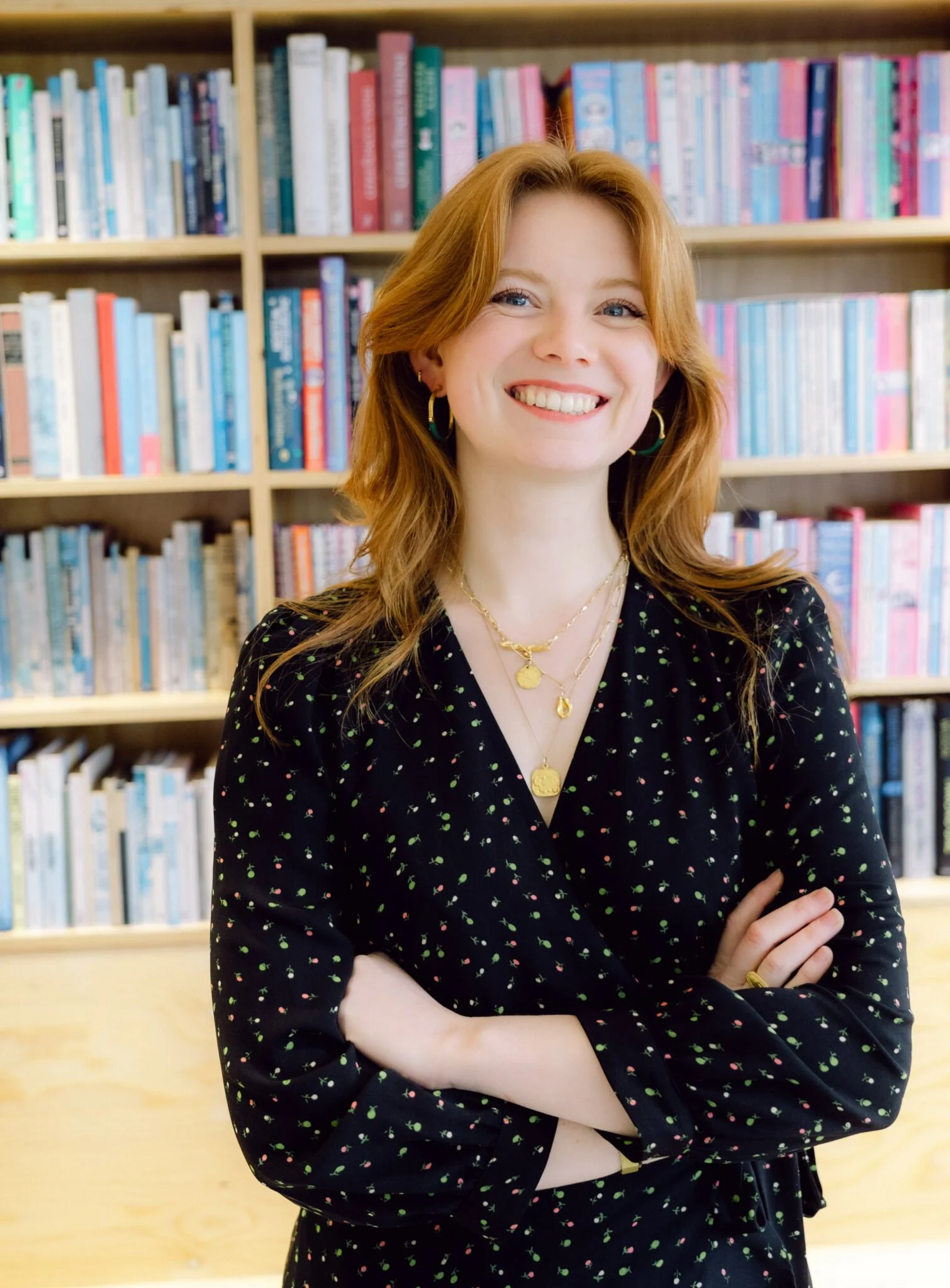
Esme Bright
DAVID HIGHAM ASSOCIATES
Esme assists Andrew Gordon and Jessica Woollard alongside building her own list of literary fiction, narrative non-fiction, and poetry. She is looking for bold literary and upmarket fiction that makes her sit up and pay attention at a sentence level. Be it a multi-generational family saga or an anatomy of a single day, she is drawn to novels that can balance emotional complexity with a close attention to language and voice.
Judges FAQs
Katie Fulford
-
Always something that hooks me early on, whether that be a distinctive voice, setting or an unexpected storyline. But also I want to root for someone, a character that I can really get behind, however badly behaved they are, if they make me cry (with laughter or sadness) then that's all the better.
-
I’d love to discover a book that transports me away from everything, something that I will stay up for hours to find out what happens. Specifically that could be a sweeping love story with a bonus if it has a great hook ( think The Time Travellers Wife, One Day), a second chance love story with a crime element (think The Paper Palace, Broken Country), a suspenseful thriller with a great twist (think Disclaimer), domestic suspense (think anything by Claire Douglas) and finally I love a spiky older protagonist (think Sybil from The Correspondent). Also, in terms of settings I would love to find a dark academia novel. I am intrigued by books that open a closed world like this so that would include behind the scenes of a professional environment, which is why I also love legal thrillers and would love to find a really compelling twisty legal thriller. Having said that, I’ll probably find myself falling for something that isn’t any of these things!
-
My tip is very simple - go for it! If you don't enter you won't know and you may surprise yourself. More specifically, make sure those first chapters are as polished as they can be (understanding that you do eventually have to send them off), and that they will draw the reader in whether that be through voice, plot or setting - or a mixture of all of these.
Stephanie Glencross
-
A novel that stands out to me manages to deliver an incredible reading experience: books that are immersive, absorbing, and almost impossible to put down! Smart, character-led thrillers with bite. I want to be drawn in by the concept, but I'll stay for the characters. Character and voice are absolutely fundamental - I'll only really care about the events of the plot if I'm invested in the character. So, making sure that I feel connected to their experience is so crucial. A book that stands out will therefore deliver on an emotional level as well as on a concept/ plot level.
-
I'm excited to discover dark, juicy, and riveting stories: high-concept psychological suspense, clever and satisfying mysteries, and propulsive thrillers with real momentum. I’m especially drawn to work that feels accessible but slightly unexpected – books you tear through at speed, but which still offer a fresh angle, an original lens, or a smart twist on familiar terrain. I don’t have a rigid or prescriptive wish list and genuinely relish being surprised by a manuscript I didn’t know I was looking for (I always say this but it's true!). I want to discover a book with a super smart pitch that gets people sitting up straight as soon as you set out the hook - and has brilliantly drawn characters to pull readers back to the story again and again.
-
Show us how your characters are feeling - if we can't connect to what they are experiencing it becomes an uphill struggle to care about the events within the novel.
Nail the opening quickly - your opening pages should establish a clear voice, a sense of control over your writing and a reason to keep reading. An intriguing scenario - one where the reader has questions in their mind about how it will play out.
Voice matters - even a familiar premise can feel fresh with a distinctive narrative voice. A brilliant concept with flat writing won't go far but the reverse often will.
Clarity also matters - too many characters too quickly, unclear stakes and overcomplicated timelines can bring readers out of the experience.
Ground us quickly- let us know who we're with, where we are and what kind of story this is. Make sure you know (so that it comes through) - what does the protagonist want, and what's at risk if they don't get it? Leave us wanting more - by the end of the entry we should feel curiosity; emotional investment and a sense that the story is going to expand intriguingly.
Good luck!
Maddalena Cavaciuti
-
A novel stands out to me when it combines a confident, distinct voice on the page with a strong hook and pacy storytelling. I’m a reader who needs propulsive plot and lots of it, but I’ll only want to come along for the journey if I feel invested in the voice and characters. I want to meet someone on that first page who absorbs my attention from the get-go – whether that means I’m introduced to a mouthy, chaotic heroine who is indignant to realise she’s dead and ended up in hell, or a crime-scene diver suffering from PTSD who is sleeping in his bath again (both books on my list). Novels standout to me when they offer an authentic and unique character on page one, then quickly put that character into exceptional and exciting circumstances either physically or emotionally.
-
I’m most excited to discover books which approach traditional romance/fantasy/crime/thriller setups from creative new angles. This might mean the author is taking a unique approach to the structure (e.g., WRONG PLACE WRONG TIME by Gillian McAllister) or subverting our expectations for how the story ‘should’ go from the beginning (e.g., THE DEVOTION OF SUSPECT X by Keigo Higashino or IN FIVE YEARS by Rebecca Serle). In romance and fantasy in particular, I’d love to see fresh approaches to popular tropes or a spin on a beloved but familiar formula.
-
Open with your character slap bang in the middle of something big (emotionally or literally) and promise us in those opening chapters what journey they have ahead of them to find their way out. When it comes to the writing itself, this William Morris quote is about minimalist living but I always think feels pertinent when crafting the opening chapters of a novel: "Have nothing in your [book] that you do not know to be useful or believe to be beautiful." 5,000 words doesn’t sound like a lot but it should be plenty to introduce your character, setting, circumstances and stakes.
Orli Vogt-vincent
-
I’m a big fan of hidden depths when it comes to novels. We are living in a time where many readers are searching for escapism in the books they are reading. Escapism doesn’t have to mean that the entirety of the book, and all its themes, are light and happy – it just means that the author has been very clever about how they plot and protect their themes. Many of the recent literary novels that we might consider escapist contain a great deal of pain in them, but the novels are constructed such that the reader is eased into accessing those themes, better able to cope with them when they come because there is lightness in the narrative, characters we care about, and because the pain isn’t necessarily overt from the first page.
It’s easy to say, but a novel also always stands out when it offers something familiar yet different. We will never tire of love stories or family dramas, but there are so many to choose from that a novel has to offer something different, be that in the writing style or through a central aspect of the plot. -
I would love to see work that has a really clear sense of time and place, be that an utterly convincing representation of the English countryside in the present or situating the reader persuasively in 1950s Berlin. For me, great novels always choose their time and place carefully, and for a particular reason, rather than just using it as a backdrop – what is it that your readers can gain from the moment and place in time that you are propelling them to? How are people experiencing their identities in a way that is similar or different to now or in the past? How can you freeze your reader in a certain moment in time that they will never forget?
I’d also love to see a family saga, a sweeping love story with a difference, a biting satire, or a literary thriller.
-
A good hook is imperative. In a bookshop of thousands of other books, what makes your novel different? Sometimes a useful way to figure out your hook is to turn your idea into a question or a hypothetical. What if XYZ happened? What would you do if you woke up one day and XYZ? Imagine that you bump into a friend on the street, and you have a few seconds to persuade them to stop what they’re doing and pick up a book in a nearby bookshop – how would you need to pitch it so that it sounded utterly irresistible? That is often the key to finding a hook that will pull in agents, editors, and finally readers.
Characters will always be crucial. One of the big weaknesses I see in manuscripts is writers telling us everything about a character from the very start, offering us all the context about their lives within the first chapter. For me, that denies a reader of a really crucial experience – the opportunity to see it unfold and get to know those characters themselves. I always recommend thinking about how you actually get to know people in real life – unless you’re in a therapy session, you’re probably not spilling your whole life story to someone the first time you meet them. Instead, you meet them at a particular point in their lives, and, as you get to know them, you find out more and more. Being with that person in certain situations means you learn particular things about them and the things they have experienced. It’s a beautiful part of being human, and I would try and echo that experience in your novel. There is nothing better than a character who continues to surprise you.
Emmanuel Omodeinde
-
Right now, I’m drawn to novels which are trying to engage more deeply with the ways in which the Internet and mobile phones play a significant role in our lives and are indeed inextricable from our lives. Ben Lerner’s Transcription is a great, very recent example, but I’m also thinking of Mariel Franklin’s Bonding and the work of Sally Rooney. I’m speaking not just thematically but also in the cadence of the text, whether that is the ways in which texts, emails, and social media posts are represented and incorporated into the narration or works which explore the ways in which the Internet has changed our vocabulary and the ways we interact with each other in the real world. Indeed, the idea that the internet is the real world.
-
Alongside the role of the Internet and mobile phones in our lives, I’m excited to discover works which are pushing the discourse of diasporic identity and modern masculinity in new directions in fiction. There has been a lot of material on these ideas in the last decade and while some great work came out of that, I feel we’ve only scratched the surface of these themes and ideas. However, I love reading any work which can immerse me in a world I don’t know and make me emotionally engage on a deep level with its characters.
-
Trust your instincts and only write what you’re truly passionate about it. Don’t try to follow trends for success as trends come and go and what will sustain a long-term career is a true passion. It can be a lonely vocation but you’re ultimately going to be the best advocate for your work, so you have to have conviction in what you’re doing.
Esme Bright
-
What makes a great novel stand out to me is a successful combination of intention and feeling. It is an incredible thing to be moved by a book; to laugh or cry at marks on a page! This is the magic of great writing. I think that this can only happen when a writer is working really hard to understand people and get to the truth of what is felt. I love the daring sparsity of David Szalay and the meticulous plots of Muriel Spark, but such exciting sentences and clever twists can only land when the characters and the world they inhibit feel true. To achieve this requires a masterful level of precision - both emotional and syntactic - and I believe that this is what makes a great novel which can stand the test of time.
When browsing in a bookshop, I often find myself drawn to books which push at the boundaries of what fiction can achieve. I am in awe of all writers, but especially those who are creatively ambitious. Whether this is exploring genre, intertextuality, other art forms, or a playful engagement with the slippage between fiction and non-fiction – such imaginative intelligence never fails to excite me. -
I am really looking forward to diving into the prize entries. I am most excited to discover a voice which leaps off the page. Perhaps they'll be in an historical novel with a rich, heady atmosphere with a mystery at its centre; a tender page-turner about love or friendship; or a stylish voice-driven novel which makes me laugh out loud. I would love to encounter some well-wrought characters who will stay with me long after I finish reading.
-
I think that the best writers are always passionate readers, and I would encourage you to keep reading while you write. It's not only a great palate cleanser, but it will serve you well when you have to put your pitch together. And always give your submission that extra proofread!
Sponsored entries for writers on a low income.
We offer a number of sponsored entries.
Want to sponsor a low-income writer?
If you would be interested in sponsoring an entry for a writer on a low-income, please contact us!